


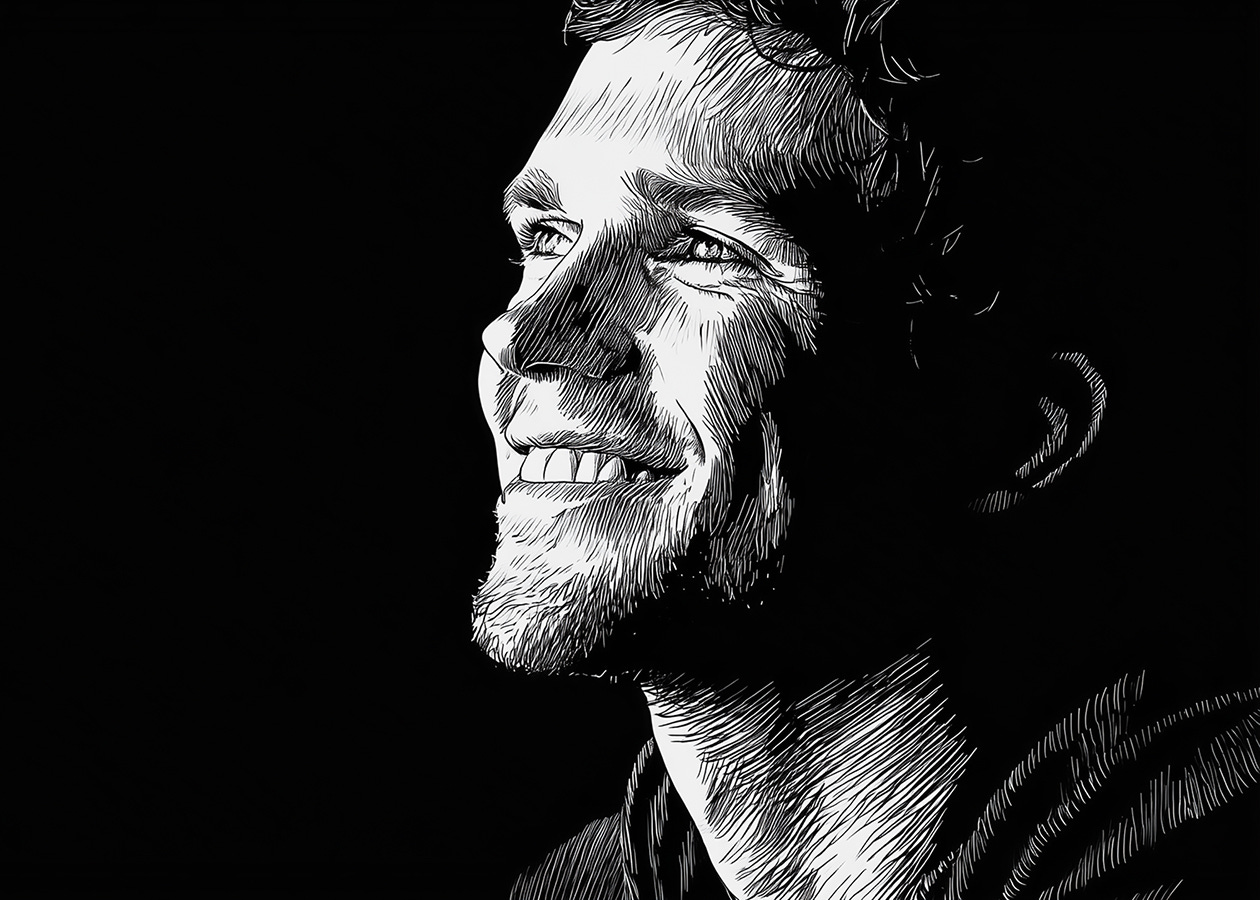
For a certain kind of person, getting fired feels like the end of the world.
Brandon Stanton was that kind of person in 2010, walking out of his bond trading job in Chicago with all the markers of what we’re told success looks like suddenly stripped away. He had been living the story that ambitious young people tell themselves: work the respectable job, build the financial foundation, and then – someday, when you’re secure enough – pursue what actually matters to you. It’s a seductive narrative because it feels responsible, because it postpones the terrifying question of whether you’re brave enough to bet on yourself, because it gives you something concrete to do while you figure out who you really are.
The problem is that “someday” has a way of never arriving, and the longer you wait, the more you have to lose by starting over.
But Brandon did something interesting when faced with sudden, unwanted freedom. Instead of frantically trying to reconstruct the life he’d just lost, he decided to stop waiting for permission to begin the work he actually cared about. Not because he had a grand vision or a detailed business plan, but because he finally understood that the gap between who he was and who he wanted to become wasn’t going to close itself.
He committed to taking street portraits of 10,000 New Yorkers, which sounds ambitious until you realize it’s really just a commitment to show up every day with a camera and talk to one person. He sold some landscape photos to friends for rent money, found a mattress on the floor of a Brooklyn sublet, and started walking the streets, approaching strangers and asking if he could take their picture.
For months, almost nobody paid attention. His photos got single-digit likes, maybe one comment from a college friend, and looked nothing like what Humans of New York would eventually become – just faces of people without context or story. But here’s what Brandon understood that most of us miss: the work itself was teaching him what it wanted to become, and you can’t learn that lesson until you start doing the work, imperfectly and consistently, whether or not anyone is watching.
When the work starts talking back
The breakthrough came not from a flash of inspiration but from paying attention to what was already working. One day, feeling discouraged with only one mediocre portrait to post, Brandon remembered something his subject had said to him – a woman wearing all green who told him, “I used to go through different stages, but then I found that I was happiest when I was green, so I’ve been green for 15 years.” He added that quote as a caption, almost as an afterthought, and that photo became the most engaged-with image he’d ever posted.
What happened next shows us how creative work actually functions. Brandon didn’t mechanically apply the “add captions” formula but leaned into what made the work most vulnerable and meaningful: approaching complete strangers every day and asking them to share something real about their lives. Every conversation was a risk, every story was an act of trust, and every day he had to overcome the fundamental human fear of rejection while proving to himself that creative vulnerability isn’t fatal.
The compound effect of that daily practice wasn’t just the 20 million followers or the bestselling books or the video series that would eventually come, though those things matter. It was the millions of dollars raised for charities around the world, the sense of connection fostered between strangers, the reminder that individual stories can become universal truths when shared with generosity and attention. None of this happened because Brandon had figured out the algorithm for viral content but because he had committed to something larger than his own fear.
The real story here isn’t about photography or social media success but about the courage to change the narrative you’re living by. Before that Tuesday in Chicago, Brandon was following a script that said dreams are for later, security comes first, and the work that matters has to wait until you can afford to risk it. But what if that script is backwards? What if the thing we’re most afraid to lose – our safety, our reputation, our comfortable prison – is exactly what’s keeping us from becoming who we’re meant to be?
If you’re waiting for the right moment, the perfect plan, or enough courage to pursue the work that calls to you, Brandon’s story suggests a different approach: start now with what you have, commit to showing up consistently, and trust that the work itself will teach you what it wants to become. Not because it’s guaranteed to work, but because the alternative – waiting for someday – is guaranteed not to.
The question isn’t whether you’re ready. The question is what’s the smallest thing you can do today that moves you toward the person you want to become, and whether you’re willing to do it again tomorrow.
Your own green woman moment is waiting. You just have to show up to find it.
What's your version of 10,000 strangers? Share in the comments.
Until next time,
—Chris
If you’re enjoying The Intentional Artist, will you take a few seconds and forward this edition to a friend? It goes a long way in helping me grow the newsletter (and support more artists).
And if you want to be an even better friend, you can give the gift of The Intentional Artist by clicking the button below. Please let us know if you choose this option so I can send over a bonus as a thank you.
I'm 💯 Brandon, except for the fact that I'm apparently too skilled and/or "lucky" to have sustained the safe and financially rewarding job to be stimulated into what I need to do with my work. A shame. Also, serious first world problems.