


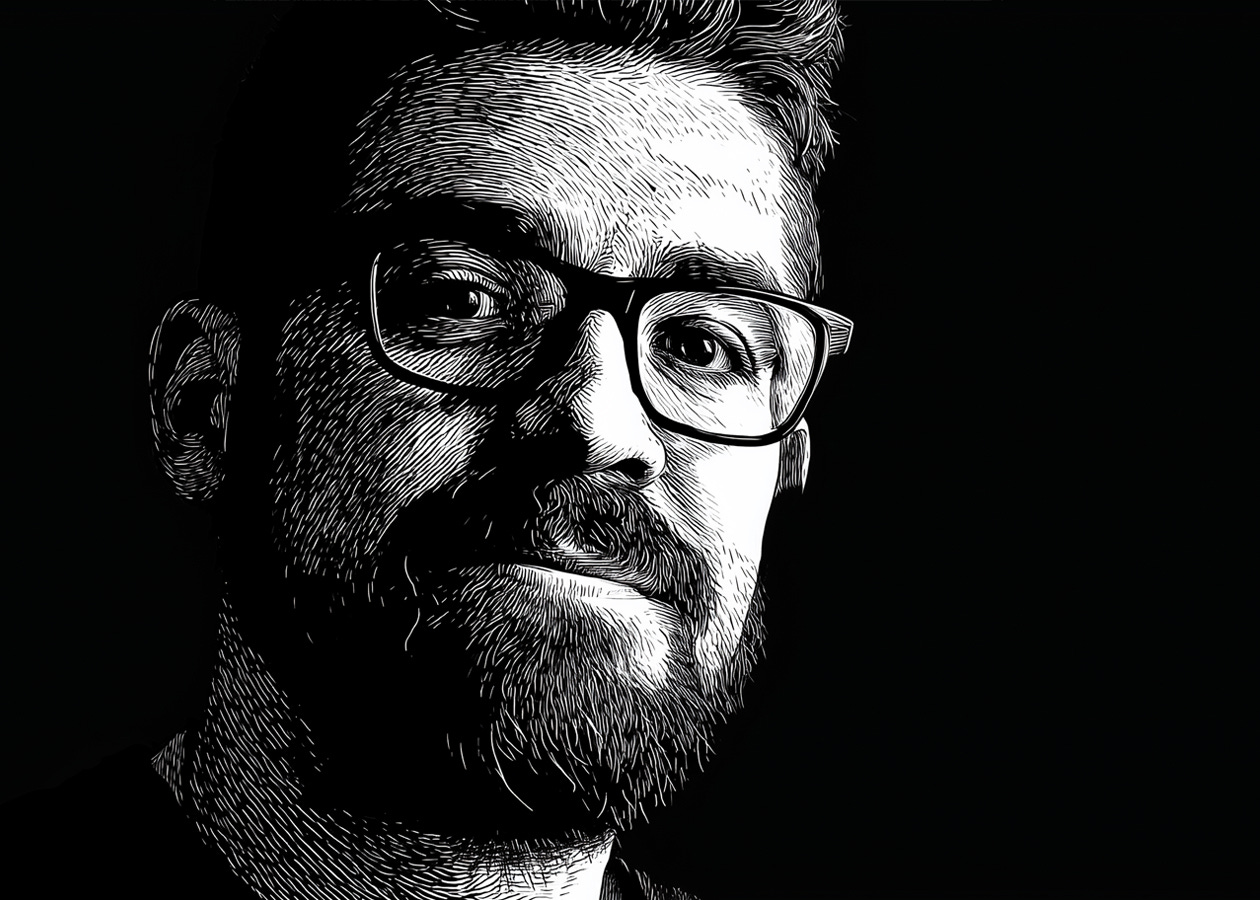
For a certain kind of artist, sharing work in progress feels like creative suicide.
Austin Kleon was that kind of artist in the early 2000s, a writer and visual artist in Austin, Texas, working his day job at a library while making collages and poems in his spare time. He had been raised on the romantic mythology that serious artists suffer in isolation, perfecting their craft behind closed doors until they’re ready to emerge with fully formed masterpieces that speak for themselves.
It’s a seductive narrative because it feels pure, because it protects you from criticism and judgment, because it allows you to maintain the illusion that your work will be so obviously brilliant that it won’t need explanation or context or any of the messy human connection that feels like selling out to the artistic soul.
The problem is that purity doesn’t pay the bills, and more importantly, it doesn’t actually connect your work with the people who need it most.
But Kleon started noticing something at his library job that would eventually change everything about how he thought about art and audience. He watched researchers and scholars who were genuinely excited about their work, and instead of hoarding their discoveries, they shared them generously. They published papers, gave talks, engaged in ongoing conversations about their process and findings. They understood that knowledge shared was knowledge multiplied, not knowledge diluted.
What if, he wondered, artists approached their work the same way? What if instead of waiting for the perfect moment to reveal the perfect piece, you shared the messy, imperfect, ongoing process of making things?
So he started an experiment. Instead of waiting until his collages were gallery-ready, he began posting them online along with his thoughts about the creative process, the books he was reading, the ideas he was wrestling with, the techniques he was trying to master. Not as marketing for some future grand reveal, but as an ongoing conversation with anyone who might be interested in the strange alchemy of making art.
At first, almost nobody was paying attention. A few comments here and there, maybe some likes from other struggling artists. But Kleon kept showing up, kept sharing not just the finished pieces but the stories behind them, the failures that preceded them, the influences that shaped them, the questions he was asking himself as he worked.
Slowly, something unexpected began to happen.
When generosity becomes gravity
People didn’t just start following Austin Kleon’s work – they started feeling like they were part of it. Because he wasn’t just sharing results, he was sharing process, and process is something every creative person can relate to, learn from, and build upon. His daily posts became less like advertisements for his art and more like a master class in creative thinking that happened to include beautiful examples.
When he posted a collage made from newspaper headlines, he’d explain not just what it meant but how he’d discovered the technique, what other artists had influenced his approach, what questions it raised for him about the relationship between found text and original meaning. When he shared a poem, he’d talk about the book that had sparked the idea, the dozen drafts that hadn’t worked, the breakthrough moment when the right words finally clicked into place.
What he was doing, without quite realizing it at first, was solving a problem that every artist faces but few talk about openly: how do you build genuine connection with an audience without compromising the integrity of your creative vision?
The traditional approach says you have two choices. You can either make pure art that serves only your creative vision and hope someone discovers it, or you can make commercial art that serves market demands and sacrifice your authentic voice in the process. But Kleon discovered a third path: you can make authentic art and share the authentic process, allowing people to connect not just with what you’ve made but with how and why you make it.
The compound effect of this approach wasn’t just increased visibility for his work – though that certainly happened. It was that he began attracting the right kind of attention. Not people who wanted to consume his art as entertainment, but people who were genuinely interested in the creative life, who had their own making to do, who saw in his sharing an invitation to their own creative experiments.
Publishers started noticing. Not because his individual posts were going viral, but because he had built something much more valuable: a community of people who trusted his creative judgment and looked forward to his insights. When he pitched his first book, “Steal Like an Artist,” he wasn’t just selling a manuscript – he was offering access to an audience that already knew and valued his perspective on creativity.
The book became a bestseller. Then came “Show Your Work,” which codified many of the principles he’d been practicing. Then more books, speaking engagements, teaching opportunities. But here’s what’s remarkable about Kleon’s success: at no point did he stop being a practicing artist. The sharing didn’t replace the making – it amplified it.
Because what he discovered was that when you share your creative process generously, you don’t lose your competitive advantage. You gain something much more valuable: you become part of a larger creative conversation that makes everyone’s work better, including your own.
The magic of creative generosity
The real story here isn’t about social media strategy or personal branding. It’s about the courage to trust that your creative process – not just your creative output – has value for other people.
Before Kleon started sharing openly, he was operating from the scarcity mindset that most artists inherit: that there’s only so much attention to go around, that sharing your methods gives away your secrets, that real artists shouldn’t have to explain themselves or engage with their audience beyond the work itself.
But what if that mindset is not just limiting but actively harmful to both your creative development and your ability to reach the people your work is meant to serve?
Kleon’s story suggests that the opposite approach – radical generosity with your creative insights – doesn’t diminish your work. It creates conditions for your work to find its true audience and for you to develop as an artist through ongoing dialogue with people who care about the same things you care about.
The question isn’t whether you’re good enough to deserve an audience. The question is whether you’re generous enough to build one through service rather than self-promotion, through sharing what you’re learning rather than hoarding what you’ve learned.
Your creative process – messy, uncertain, full of false starts and breakthrough moments – isn’t something to hide until you’ve perfected it. It’s the most valuable thing you have to offer to other people who are trying to make meaningful work in a world that doesn’t always make space for it.
The next time you’re tempted to wait until your work is “ready” before sharing it, remember: Austin Kleon built his entire career by sharing the messy, imperfect, ongoing process of learning to make art.
Ready to start showing your work?
Until next time,
—Chris
If you’re enjoying The Intentional Artist, will you take a few seconds and forward this edition to a friend? It goes a long way in helping me grow the newsletter (and support more artists).
And if you want to be an even better friend, you can give the gift of The Intentional Artist by clicking the button below. Please let us know if you choose this option so I can send over a bonus as a thank you.
A provocative thought...something many of us struggle with. Thank you for sharing.